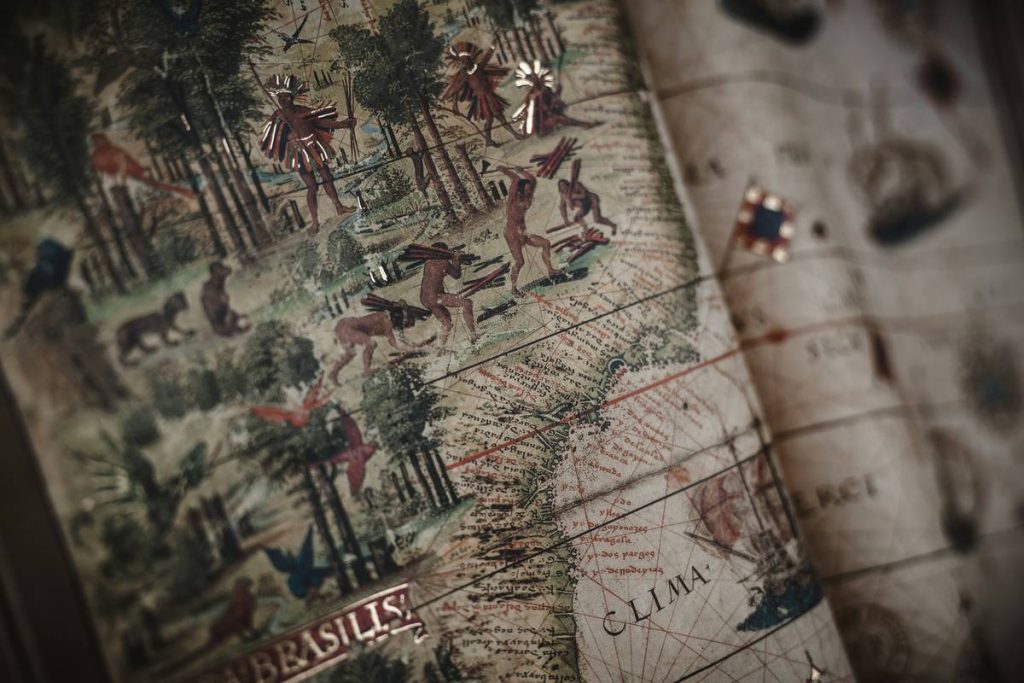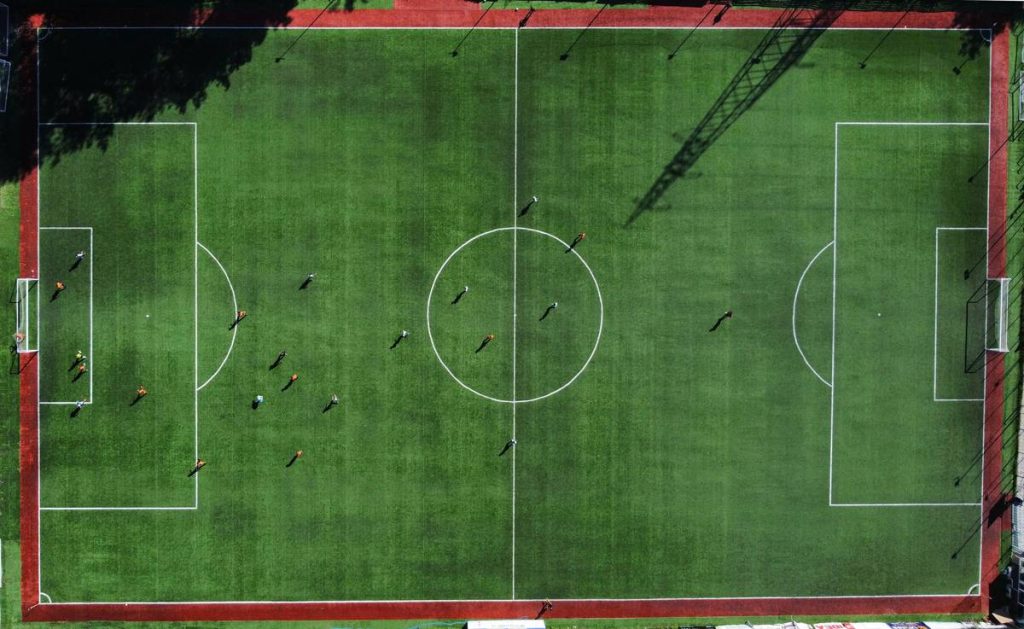
Most gamers assume RTS titles are relics—outdated, clunky, abandoned to nostalgia. But the truth cuts deeper: real time strategy video games are thriving in stealth mode. Hidden beneath flashy battle royales and open-world RPGs, they’ve evolved into precision engines of cognitive warfare. And if you’re not paying attention, you’re missing the most intellectually demanding—and rewarding—corner of modern gaming.
The Core Problem: Why Most Players Fail at RTS (Even After Hundreds of Hours)
RTS fatigue isn’t about mechanics—it’s about misaligned expectations. Newcomers treat these games like action titles. They rush. They spam hotkeys without purpose. They ignore economy until it’s too late.
But real time strategy video games punish impatience with surgical efficiency. Victory isn’t won in the first 60 seconds—it’s engineered over dozens of micro-decisions per minute. The genre demands a hybrid brain: part economist, part general, part logistician. Fail to balance those roles? You lose. Period.
Mastering Real Time Strategy Video Games: A Step-by-Step Framework
Map Awareness > Raw Speed
APM (actions per minute) means nothing if you’re reacting to ghosts. Top players spend 20% of their screen time on minimap scans. Not occasional glances—structured, rhythmic checks every 8–12 seconds. This rhythm builds spatial memory so precise, they anticipate enemy movements before units even spawn.
Economy Is Your First Weapon
New players build armies. Veterans build infrastructure. In StarCraft II or Age of Empires IV, delaying military expansion by just 30 seconds to secure an extra resource node often yields a 15–20% advantage by mid-game. That gap compounds—silently, lethally.
Micro vs. Macro: The False Dichotomy
“Should I focus on micro or macro?” is the wrong question. Elite players blend both through layered task prioritization. Example: while commanding a raid (micro), they queue worker production, upgrade research, and scout new expansions—all without breaking combat flow. It’s multitasking as muscle memory.

| Training Focus | Beginner Approach | Elite Player Approach | ROI Impact* |
|---|---|---|---|
| Economy Management | Build workers when idle | Predict resource depletion; auto-queue based on unit cost curves | High |
| Scouting | Send one unit early, then forget | Cycle scouts; correlate intel with opponent’s tech tree tendencies | Critical |
| Army Control | Group all units; click attack | Split control groups by role (flankers, tanks, spellcasters); use terrain for kiting | Medium |
*ROI = Return on Investment in terms of win rate gain per hour trained
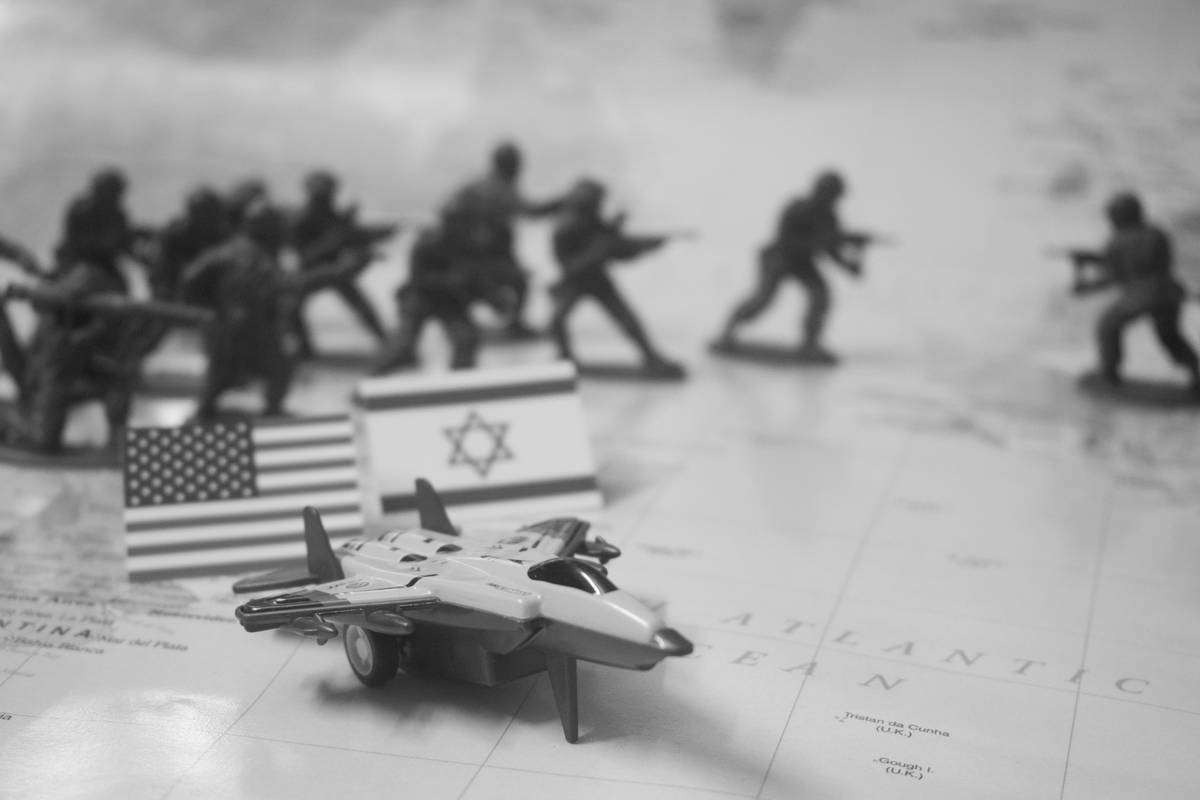
The Industry Secret: How RTS Designers Rig the Illusion of Fairness
Here’s what studios won’t tell you: many “balanced” RTS matches are subtly steered by hidden algorithms. In matchmaking, your perceived skill isn’t just based on wins—it’s weighted against your economic efficiency metrics (workers per minute, resource idle time). Lose a game but manage gold flawlessly? You might face tougher opponents next round anyway.
And fog of war? It’s not just visual limitation—it’s a behavioral funnel. Designers place neutral camps or choke points where 73% of players instinctively expand. That predictability lets AI and human opponents set traps with frightening consistency. Master the meta, and you see the strings.
Frequently Asked Questions
What makes a good real time strategy video game?
Strong ones offer asymmetric factions, meaningful economic trade-offs, and fog-of-war that rewards scouting—not guessing. Depth beats spectacle every time.
Are real time strategy games still popular?
Yes—but quietly. Titles like Company of Heroes 3 and Stormgate are drawing 50K+ concurrent players. Esports scenes remain niche but fiercely loyal.
How do I get better at RTS quickly?
Stop playing full matches. Drill isolated skills: worker splits, patrol routes, upgrade timing. Mastery compounds faster in chunks than in chaos.